
Pharmaceutical machinery represents a major investment for any manufacturing facility. Whether you are establishing a new production line, increasing capacity, replacing an existing machine or adding equipment for a new product, purchasing every machine brand new may not always be the most practical approach.
This is where used pharmaceutical machinery can provide an attractive alternative. Good-quality used pharma equipment can help manufacturers control capital expenditure while still obtaining established machine designs for important pharmaceutical processing operations. Depending on the machine's condition, specifications, previous application and maintenance history, used equipment can be a practical choice for a wide range of manufacturing requirements.
However, buying used machinery requires a more careful evaluation than simply comparing prices. The right approach is to look at the machine's condition, construction, capacity, application, operating history, components, maintenance requirements and overall suitability.
For manufacturers, the objective should not be to find the cheapest machine available. It should be to find a suitable used pharmaceutical machine at the right value and condition. This guide explains what buyers should know before purchasing used pharmaceutical machinery and how to make the selection process easier.
What Is Used Pharmaceutical Machinery?
Used pharmaceutical machinery refers to equipment that has previously been manufactured and operated or installed and is now available for use by another manufacturer.
The machine may be:
- Previously operated in a manufacturing plant
- Surplus equipment
- From a facility undergoing expansion or modernization
- Replaced because of capacity changes
- Available due to plant relocation
- Previously used for a different but compatible application
- Available after equipment line upgrades
The condition of used machinery can vary significantly. Some machines may be in excellent working condition with regular maintenance, while others may require servicing or restoration before being put into production.
Therefore, the word "used" describes the equipment's previous ownership or operation — not necessarily its current quality.
Why Do Pharmaceutical Manufacturers Buy Used Machinery?
1. Lower Initial Capital Investment
The most obvious advantage is the possibility of reducing the initial purchase cost compared with purchasing equivalent new machinery. This can be particularly useful for:
- Start-up manufacturers
- Small and medium-sized pharmaceutical companies
- Contract manufacturers
- Existing plants adding capacity
- Replacement equipment requirements
- Pilot and development operations
- Secondary production lines
Instead of allocating the entire machinery budget to new equipment, manufacturers can evaluate where used machinery makes commercial sense.
2. Faster Equipment Availability
New pharmaceutical machinery may require manufacturing and customization before delivery. A suitable used machine may already be available, which can potentially shorten procurement time, particularly when a plant requires replacement equipment or additional capacity.
Actual delivery depends on:
- Machine availability
- Inspection
- Servicing
- Modifications
- Transportation
- Installation requirements
3. Established Machine Design
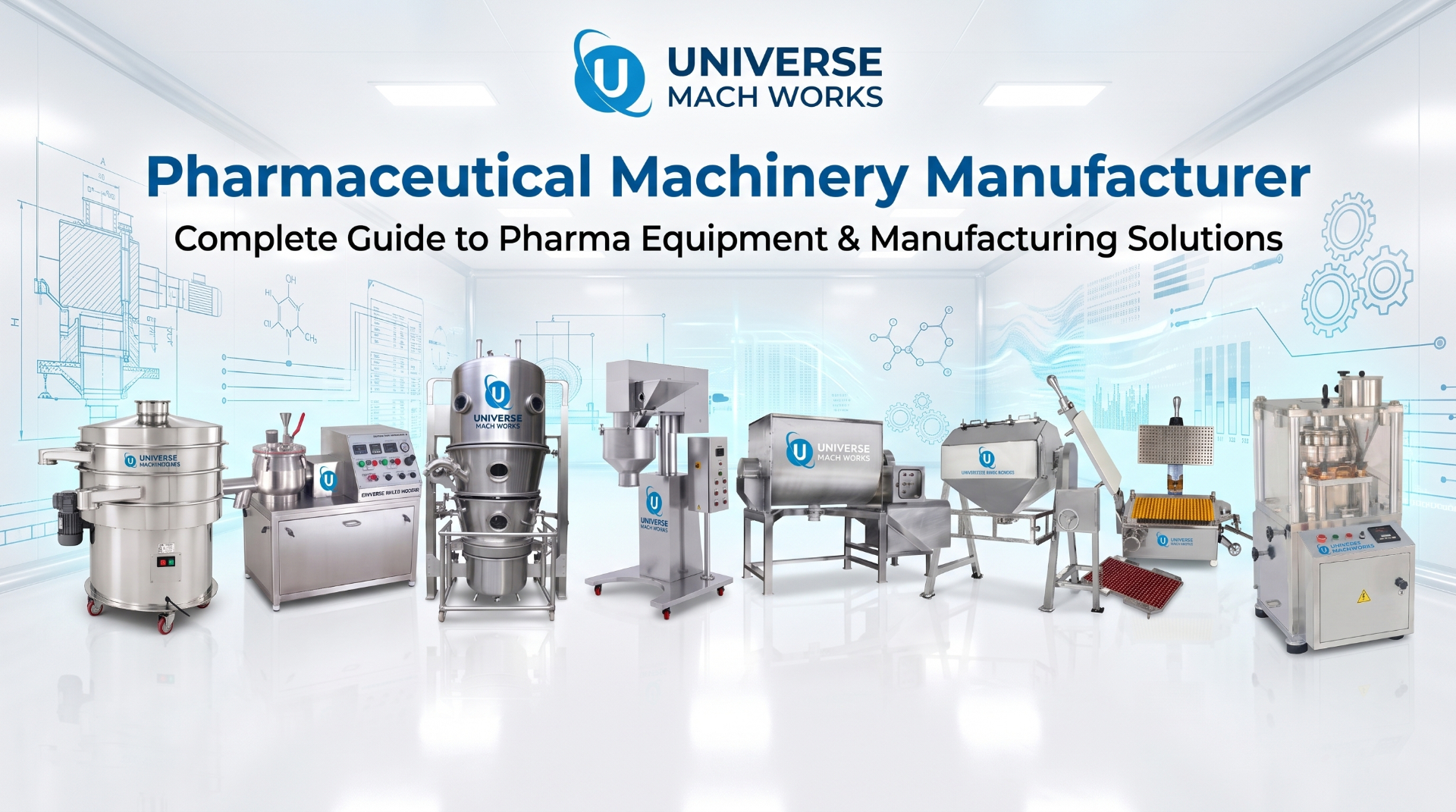
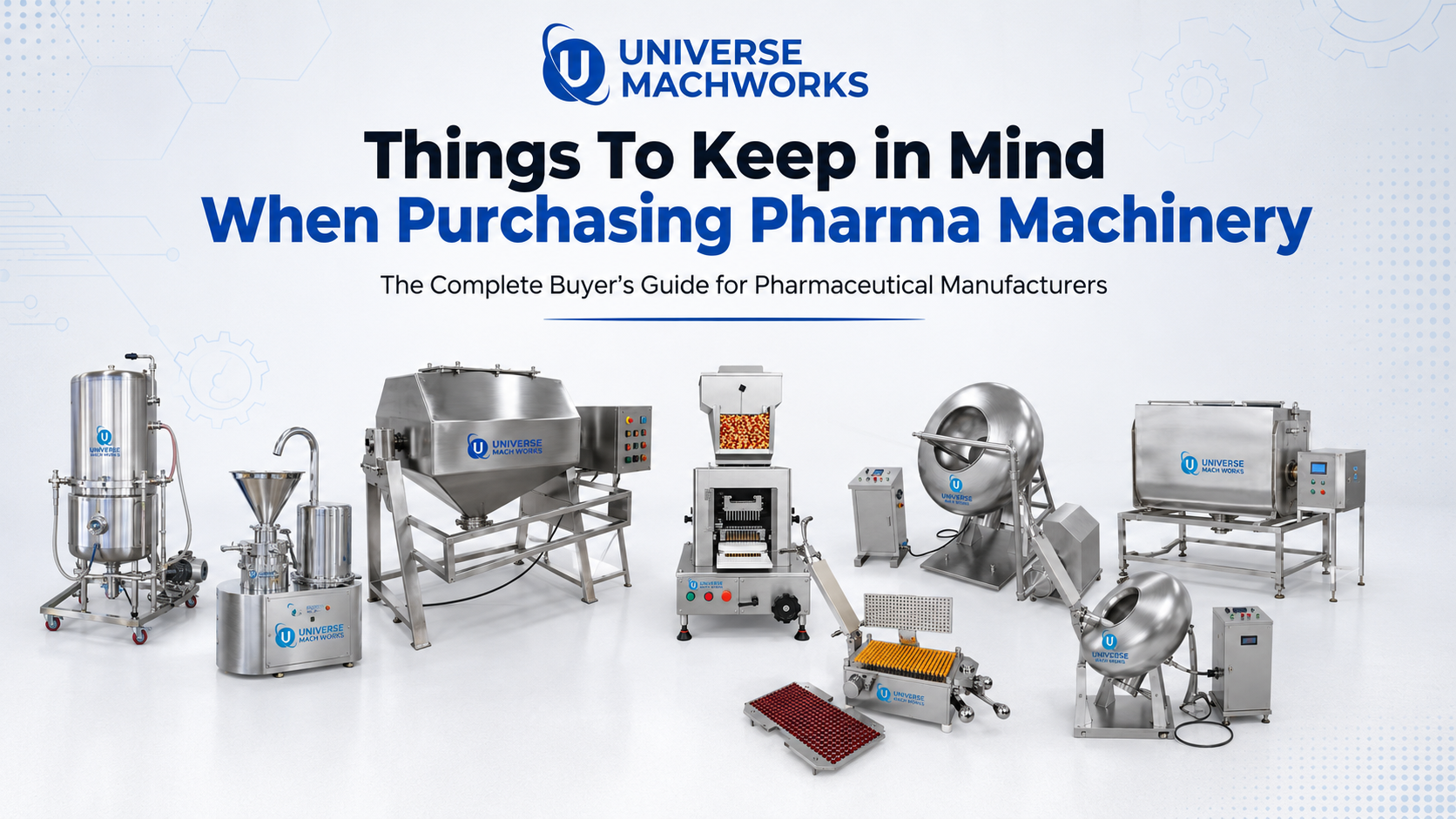
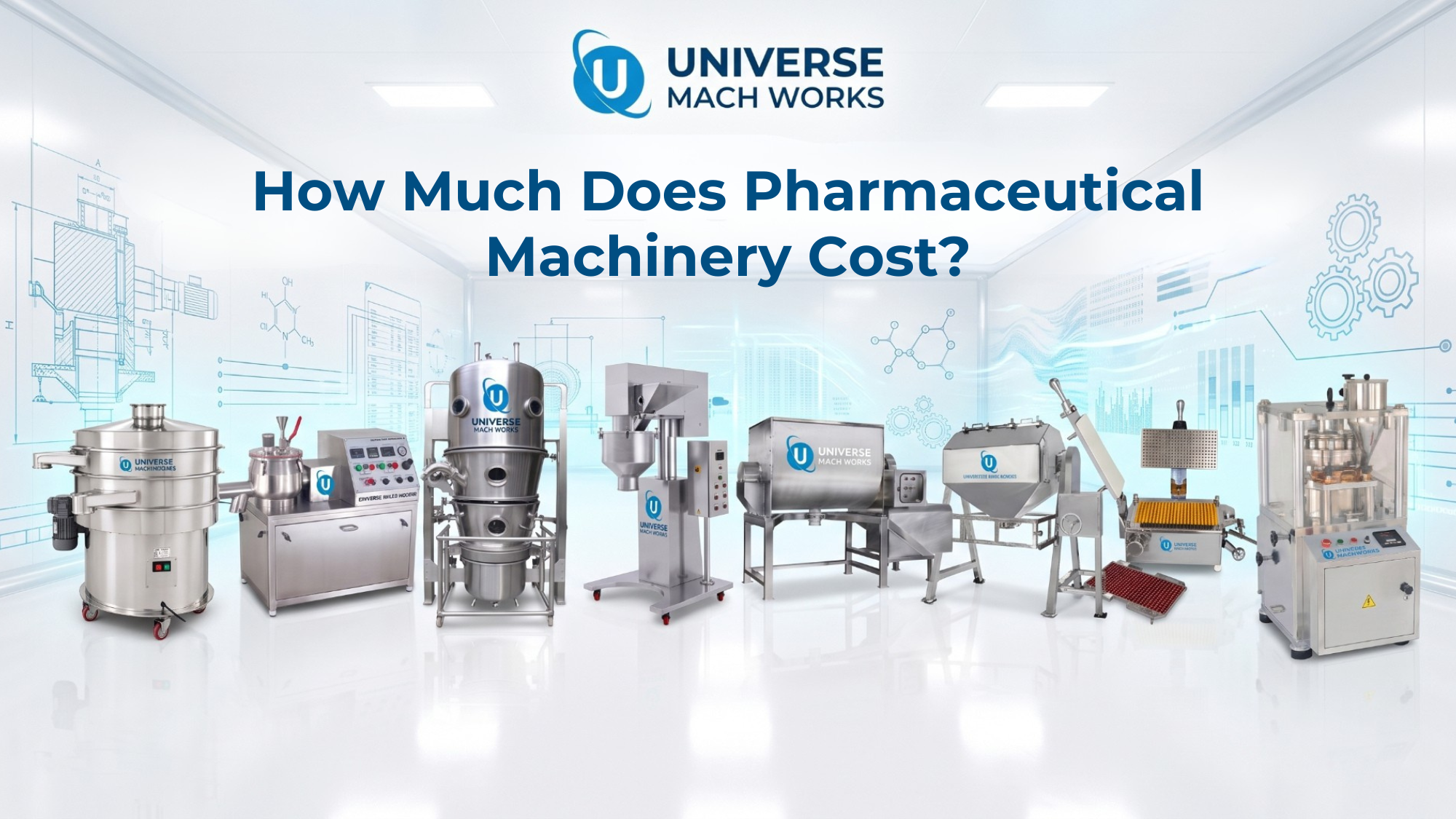
Used equipment has already been manufactured and, in many cases, operated in an industrial environment. This can be useful when manufacturers are looking for a familiar and proven machine configuration. Established equipment categories include:
Commonly available used machine categories
These machines are widely used across pharmaceutical and process industries. The specific suitability of any used machine still needs to be evaluated against the buyer's process.
Used vs Refurbished Pharmaceutical Machinery
It is important to understand the difference. Used machinery refers to previously operated or installed equipment that is available for resale.
It may be sold:
- As-is
- After inspection
- After basic servicing
- With selected components replaced
- With modifications requested by the buyer

What Types of Used Pharma Machinery Are Available?
Used pharmaceutical machinery can cover many stages of the manufacturing process.
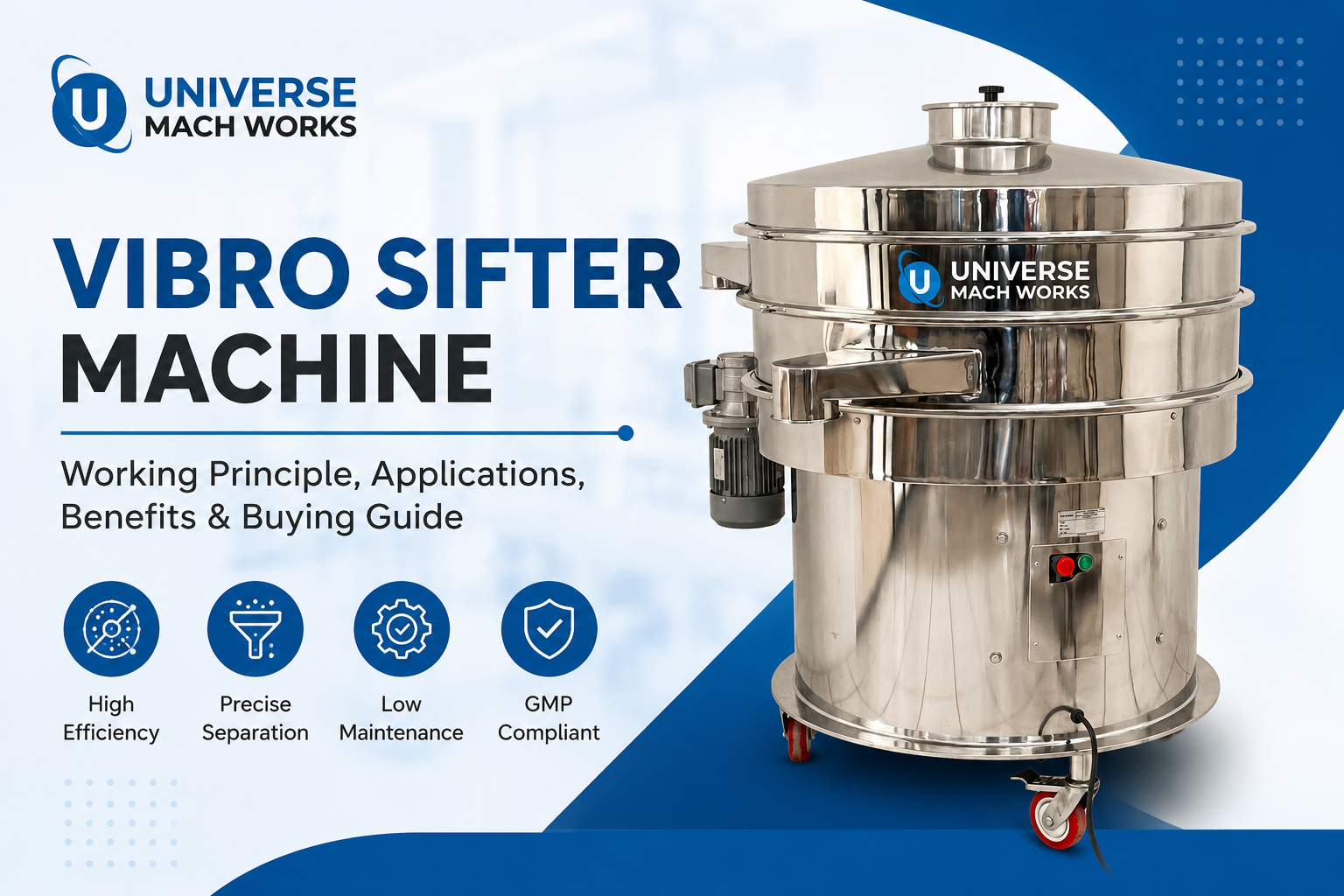
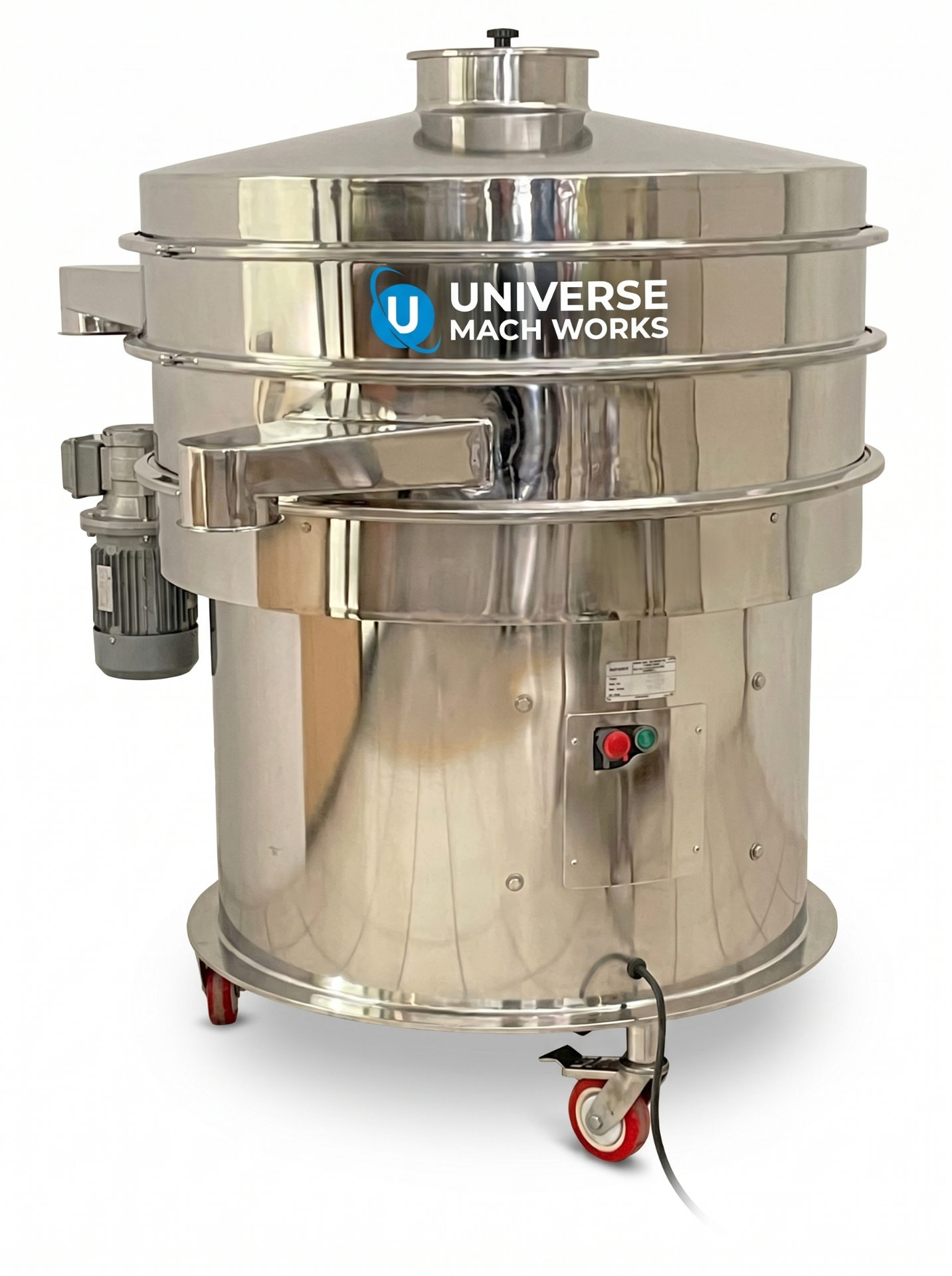
Vibro Sifter — Powder & Material Handling
Used Vibro Sifters can be considered for screening and sieving powders and granules. Before purchasing, inspect:
- Screen condition
- Gaskets
- Vibratory motor
- Clamping system
- Product-contact surfaces
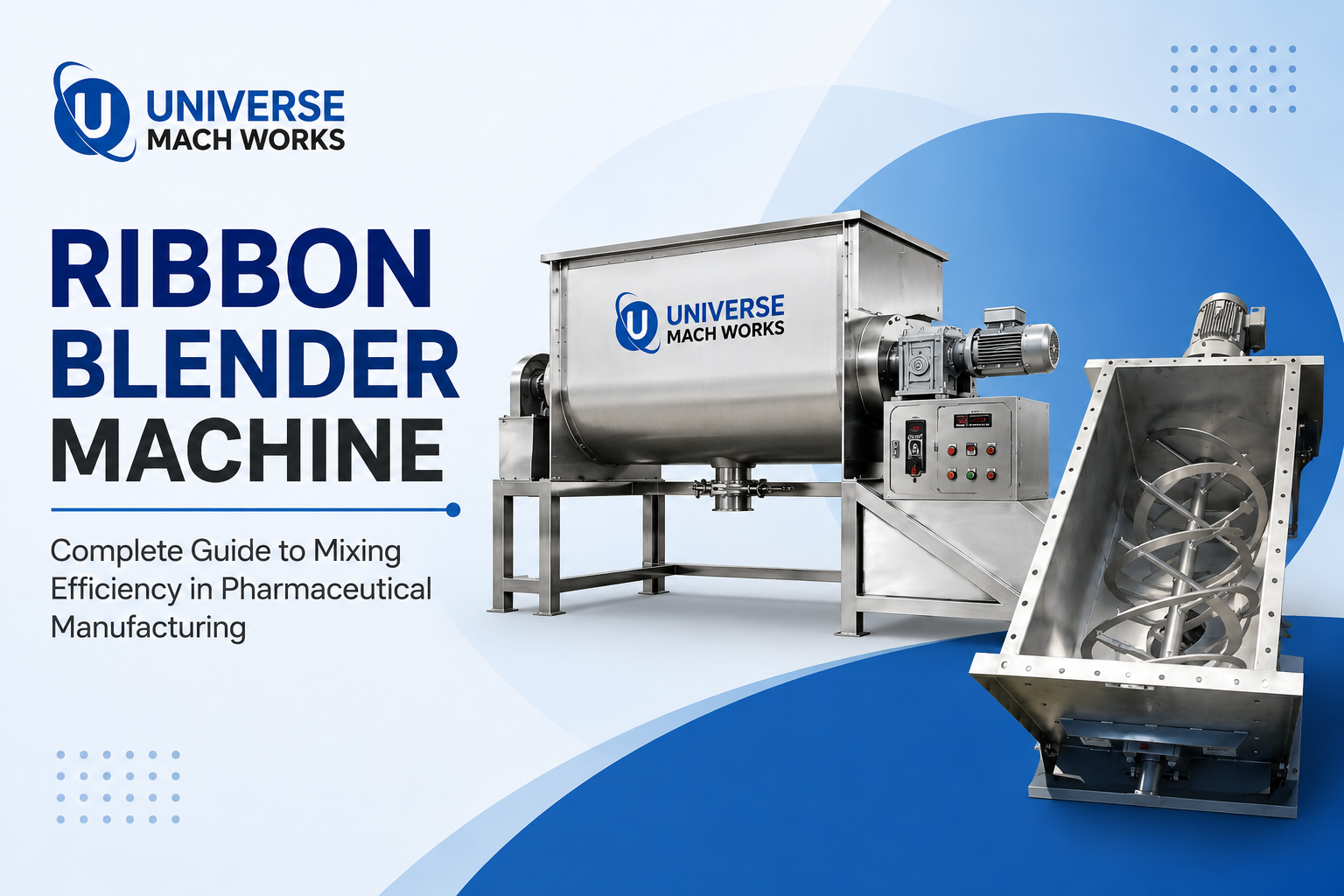
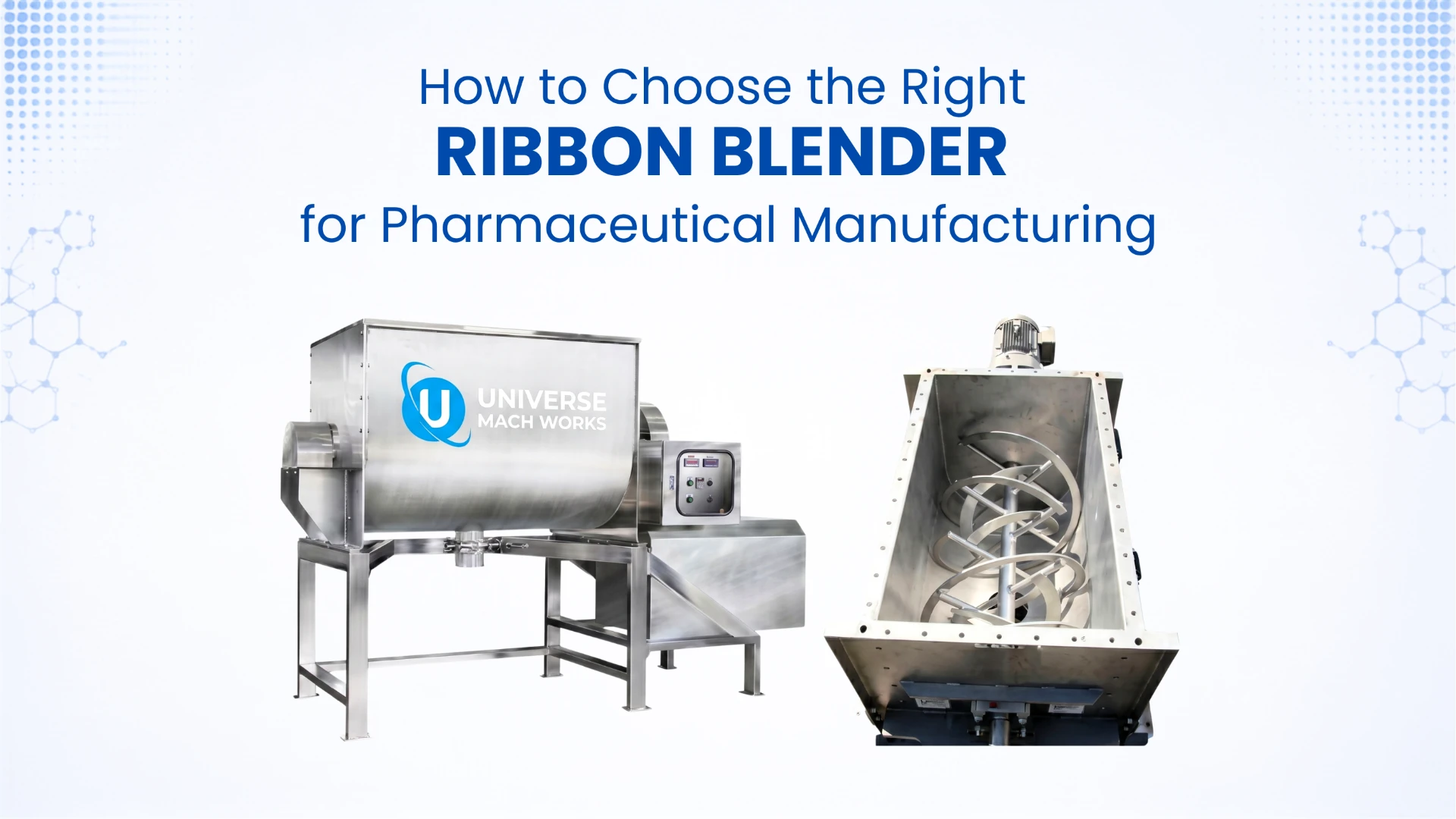
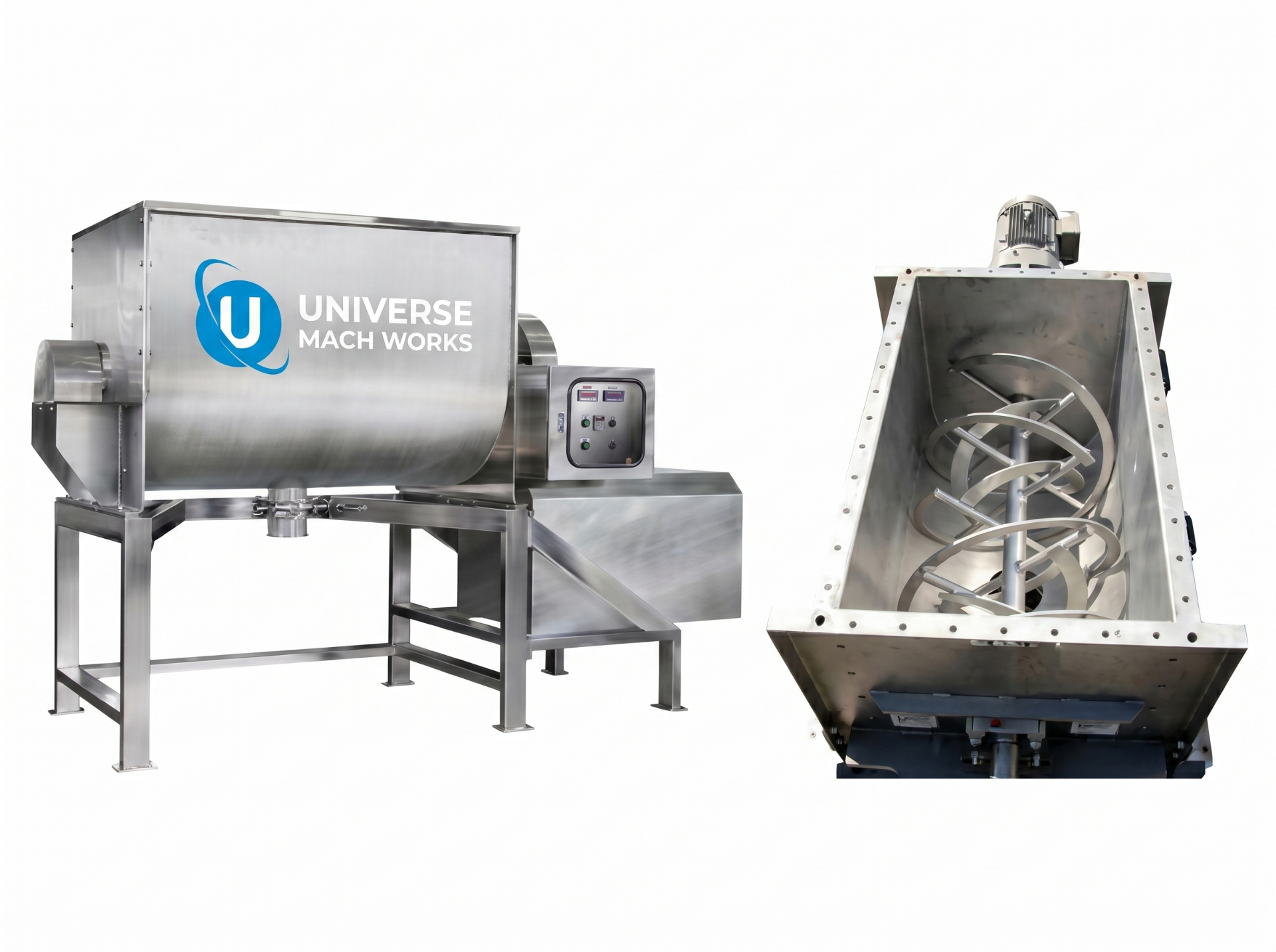
Ribbon Blender — Blending Equipment
Ribbon Blenders are commonly used for dry powder blending. Check:
- Ribbon condition
- Shaft
- Bearings
- Seals
- Gearbox
- Motor
- Discharge valve
- Internal surface
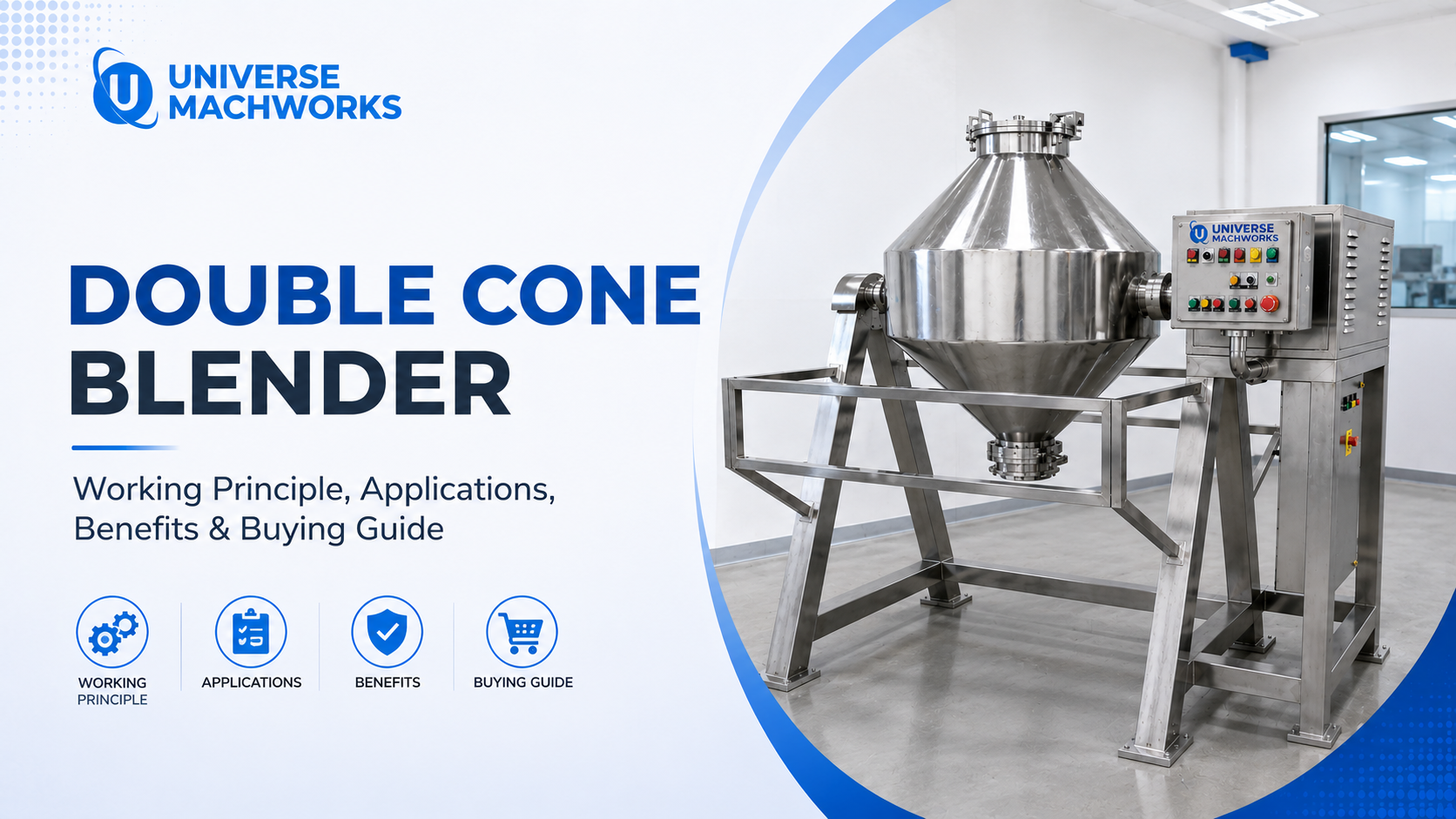
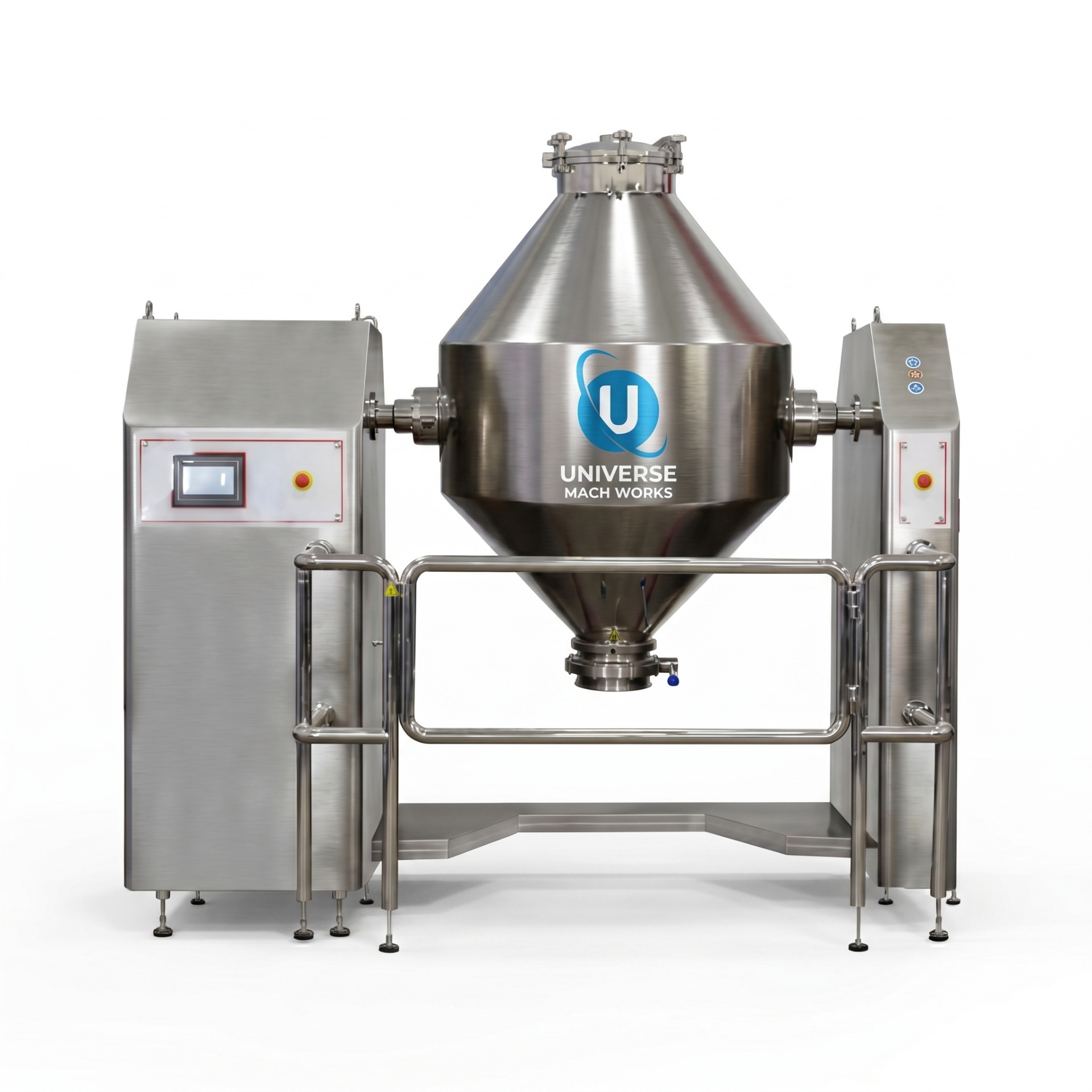
Double Cone Blender
A used Double Cone Blender may be suitable for applications requiring gentle powder blending. Important inspection points include:
- Vessel condition
- Drive system
- Bearings
- Seals
- Discharge valve
- Internal surfaces
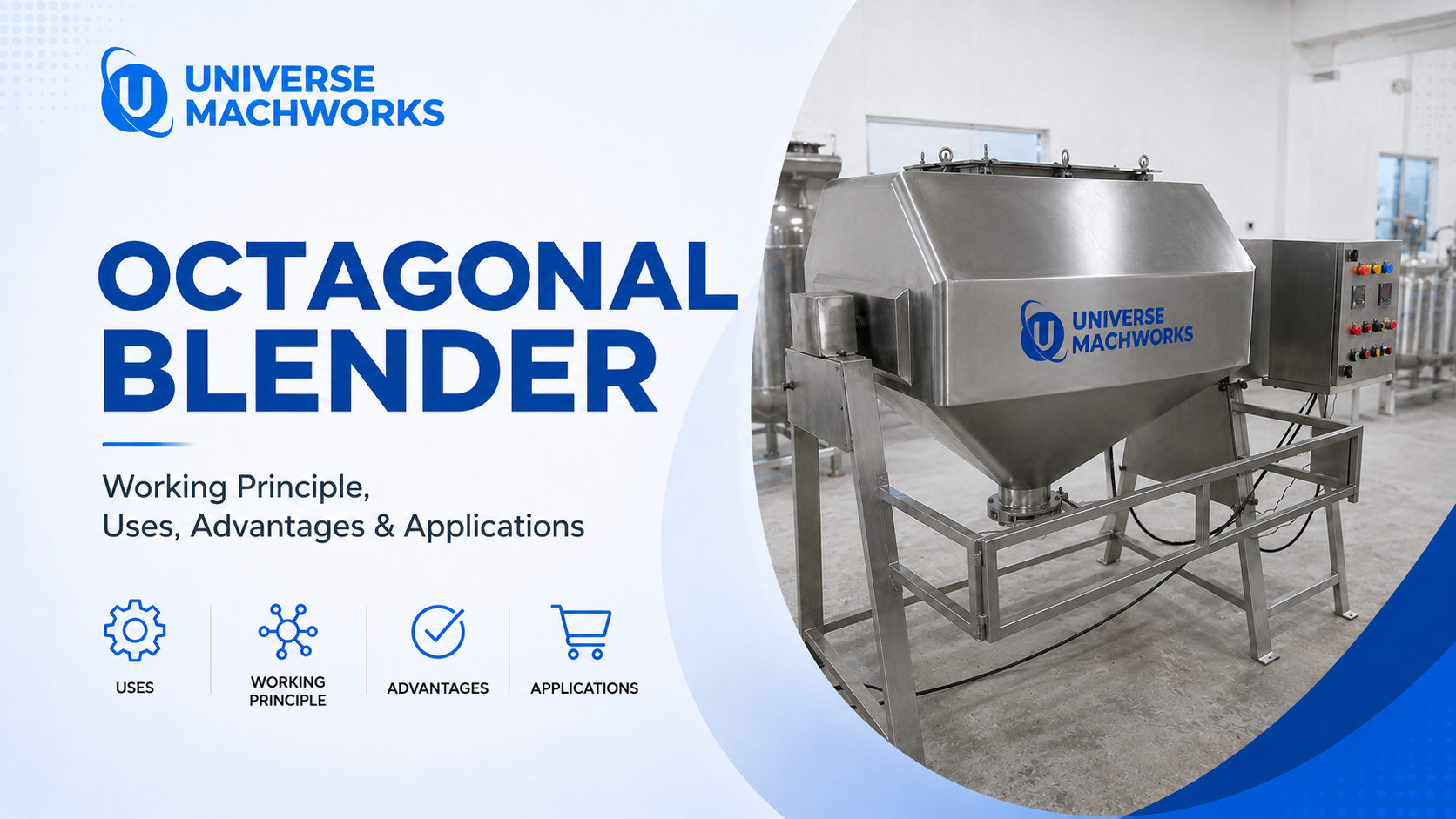
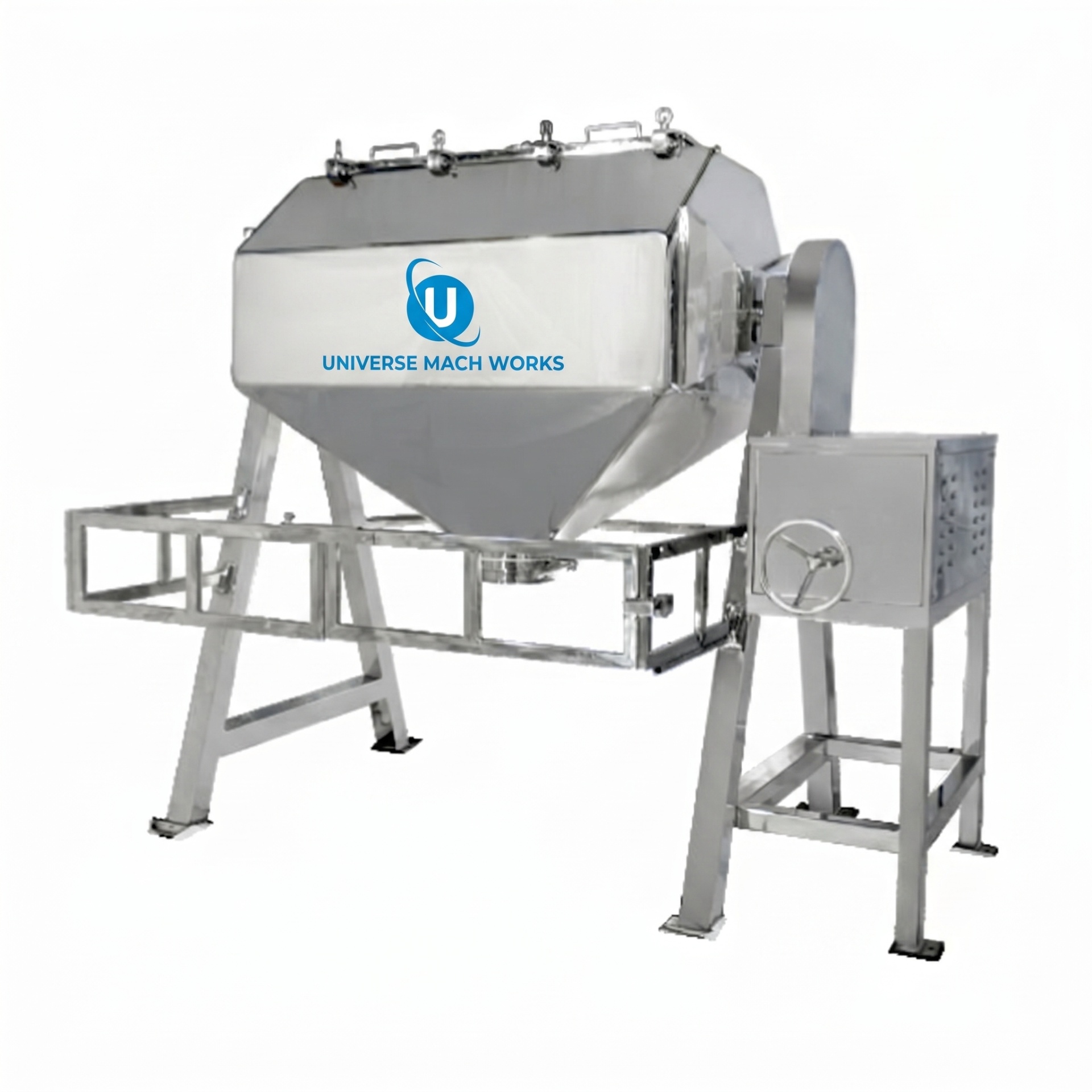
Octagonal Blender
For an Octagonal Blender, buyers should evaluate:
- Vessel condition
- Drive mechanism
- Gearbox
- Bearings
- Discharge system
- Control panel
- Product-contact surfaces
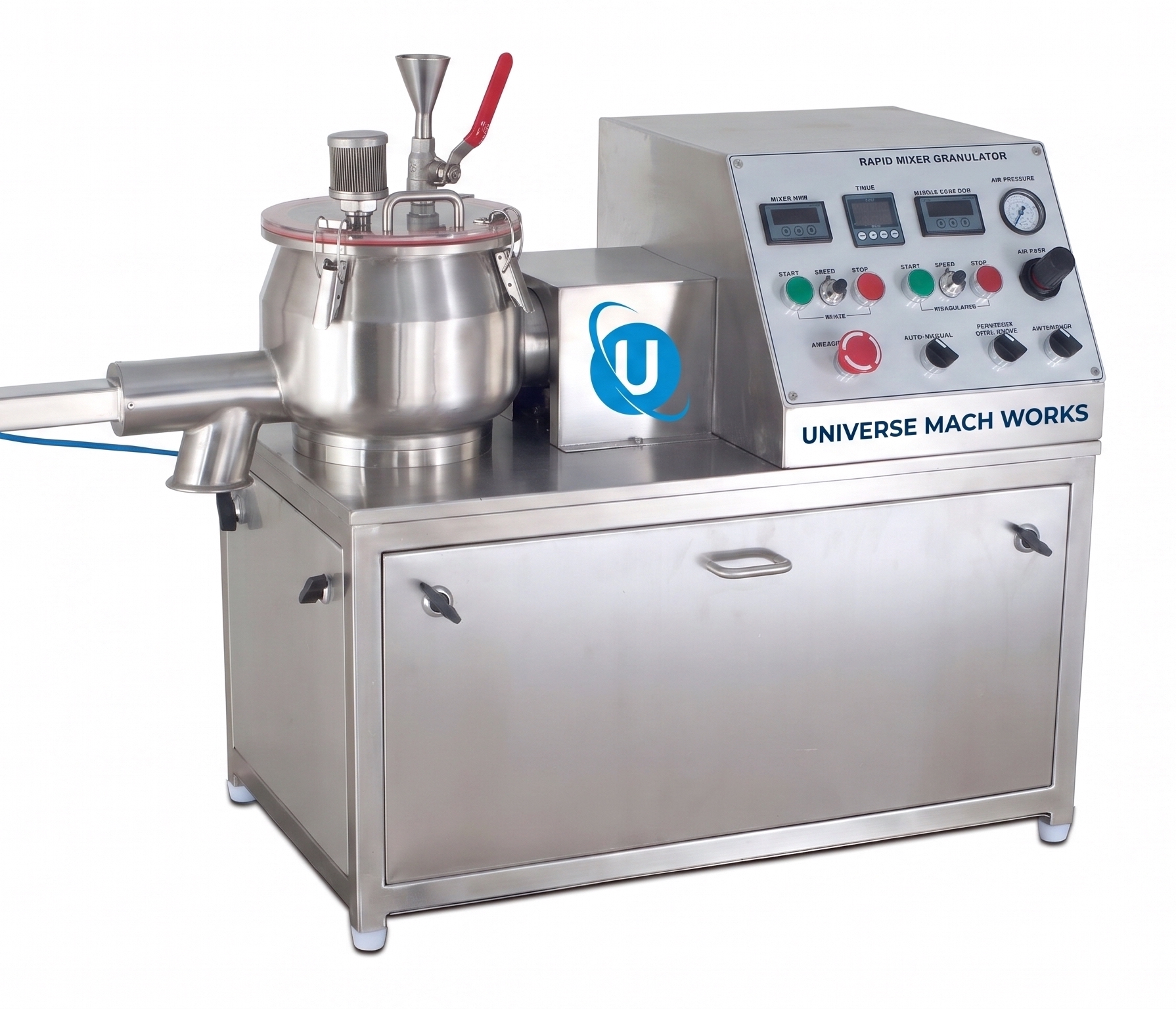
Rapid Mixer Granulator — Granulation Equipment
A Rapid Mixer Granulator is a more mechanically demanding machine, so inspection is particularly important. Check:
- Mixing bowl
- Impeller
- Chopper
- Drive motor
- Gearbox
- Shaft
- Seals
- Discharge system
- Control system
The machine should be evaluated according to the intended formulation and batch requirements.
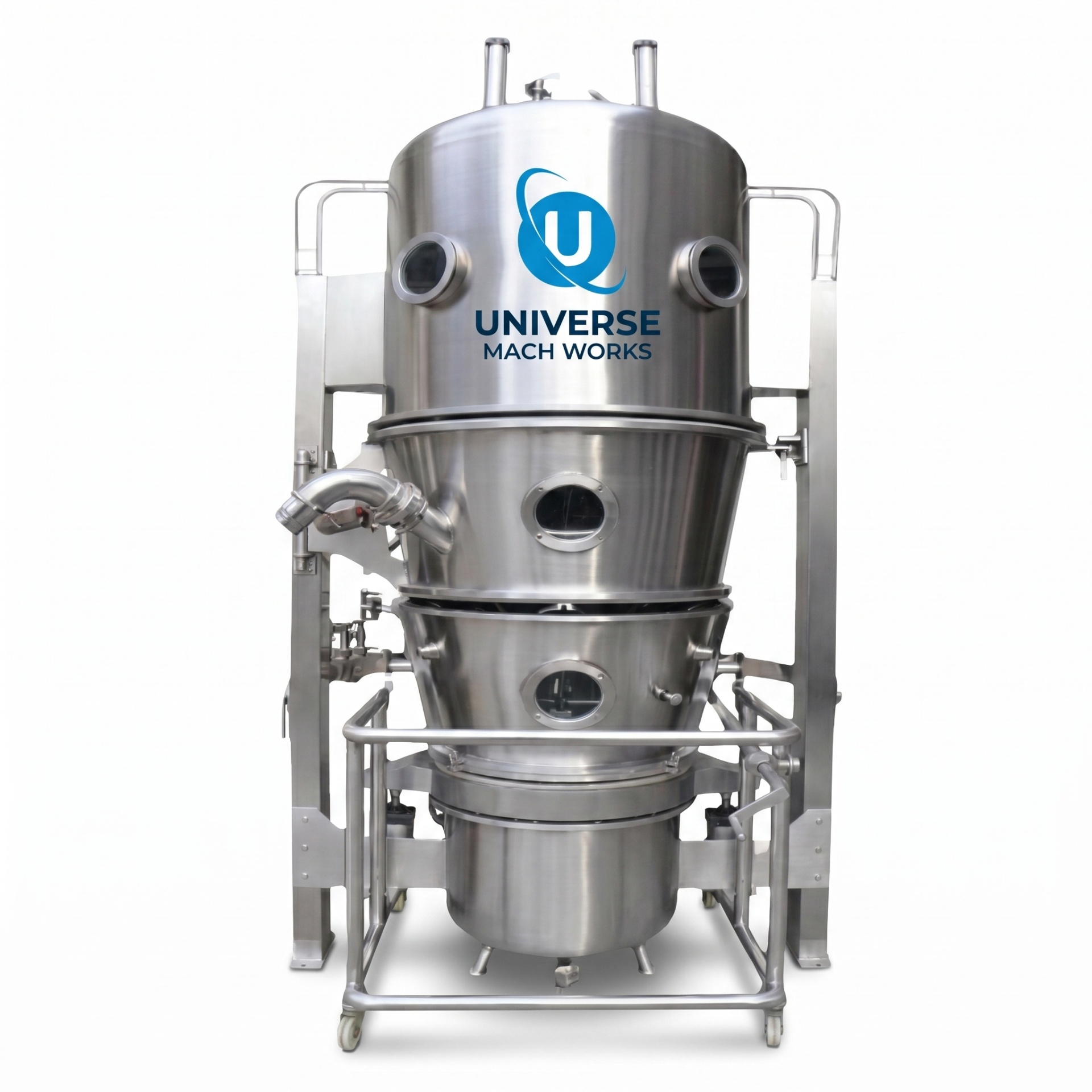
Fluid Bed Dryer — Drying Equipment
When considering used Fluid Bed Dryer equipment, inspect:
- Product container
- Filter arrangement
- Air handling system
- Blower
- Heating system
- Temperature controls
- Gaskets
- Electrical controls
The actual configuration should match the intended application.
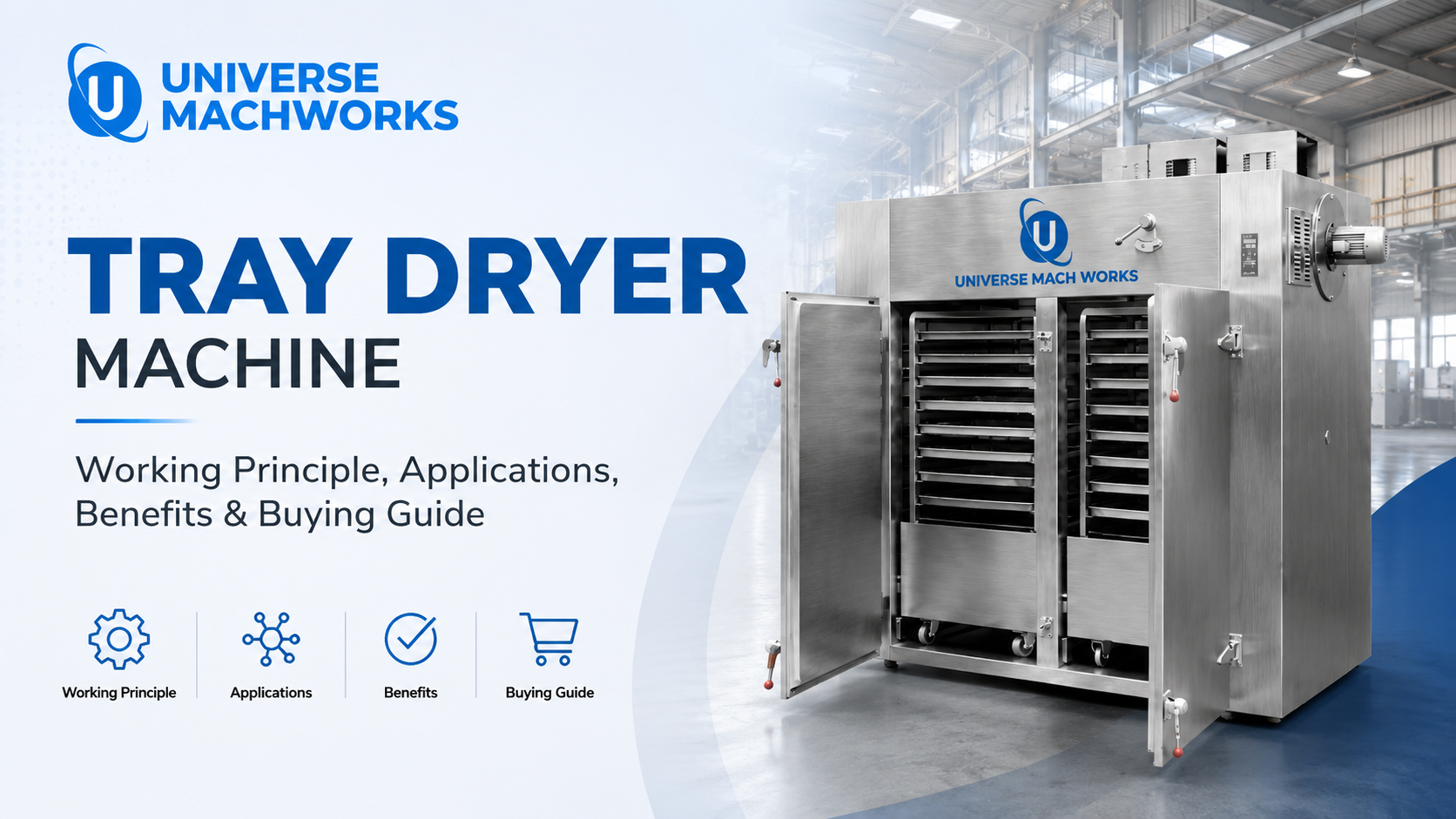
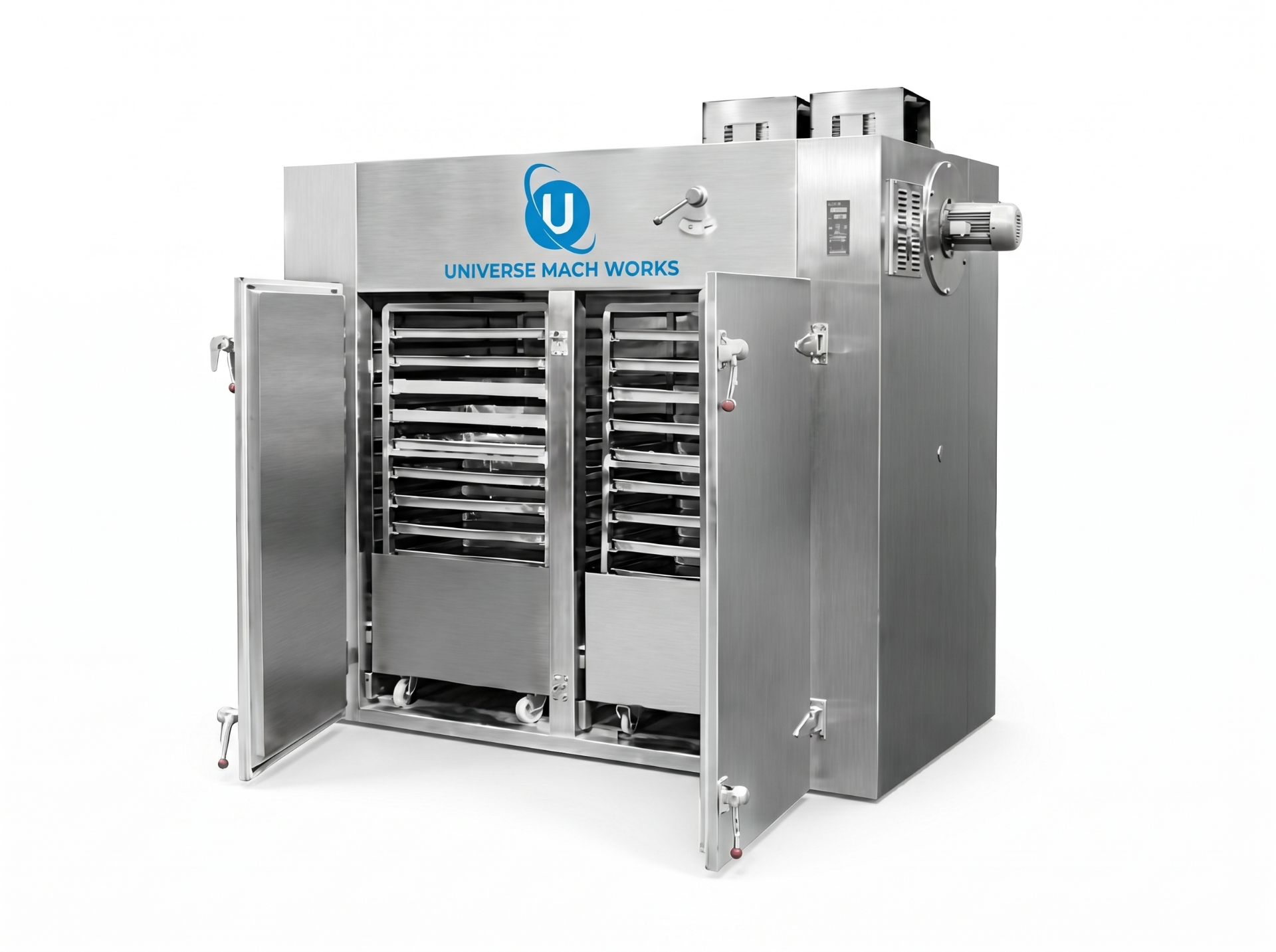
Tray Dryer
A used Tray Dryer should be checked for:
- Chamber condition
- Trays
- Heating system
- Air circulation
- Blower
- Temperature controls
- Door seals
- Internal surfaces
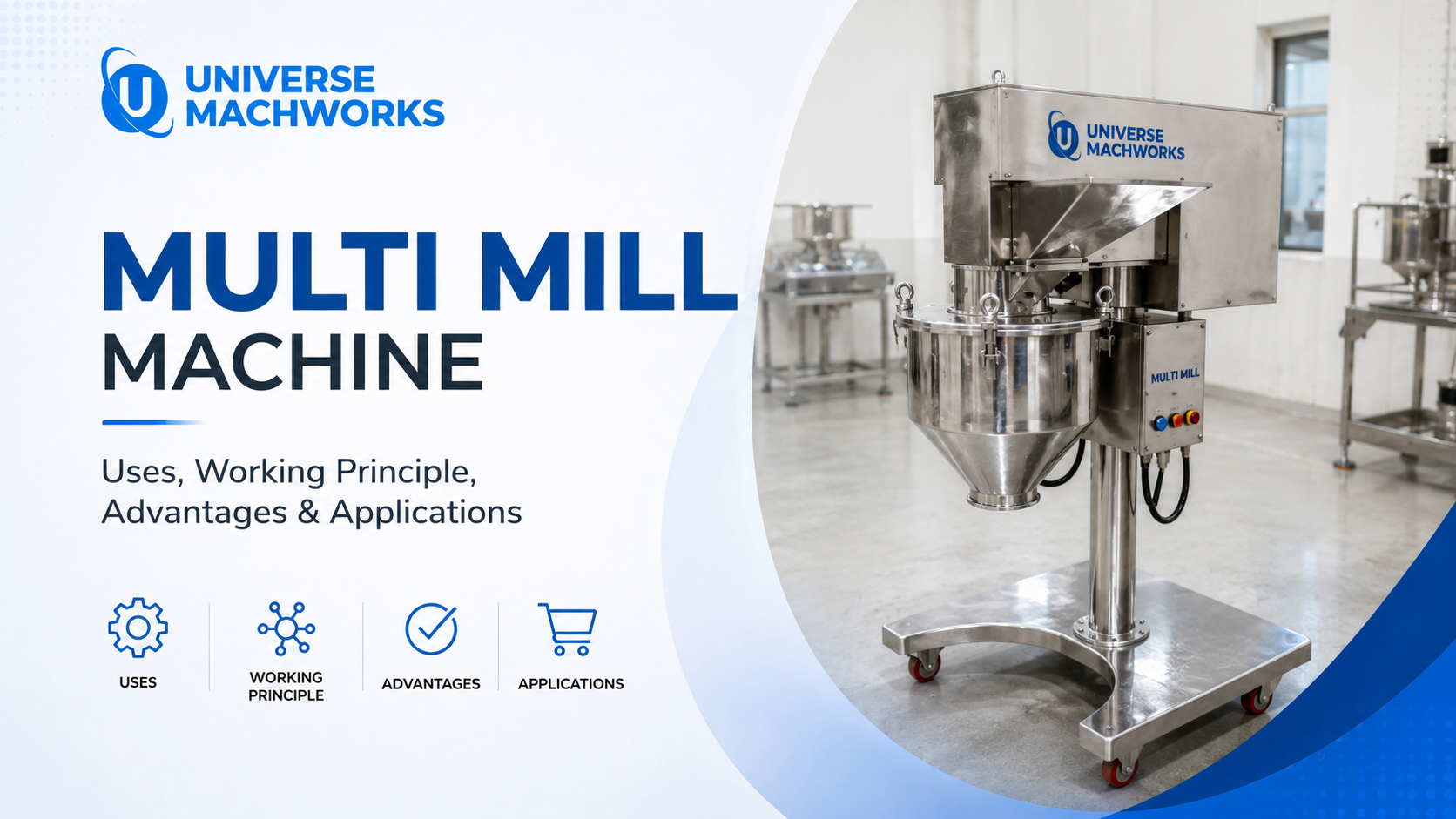
Multi Mill — Size Reduction Equipment
Used Multi Mills can be considered for size reduction applications. Inspect:
- Milling chamber
- Rotor
- Screens
- Bearings
- Motor
- Drive system
- Safety guards
- Product-contact surfaces
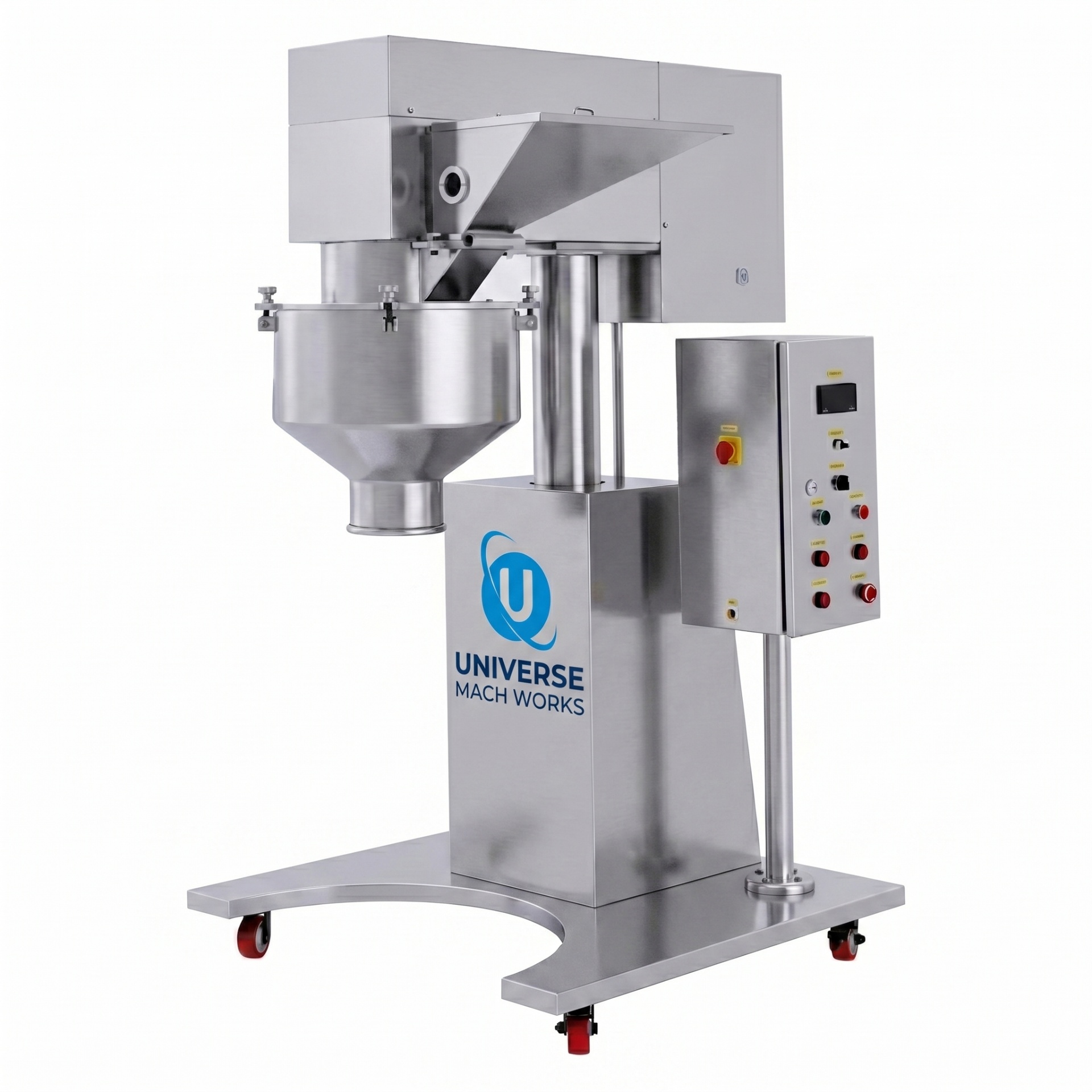
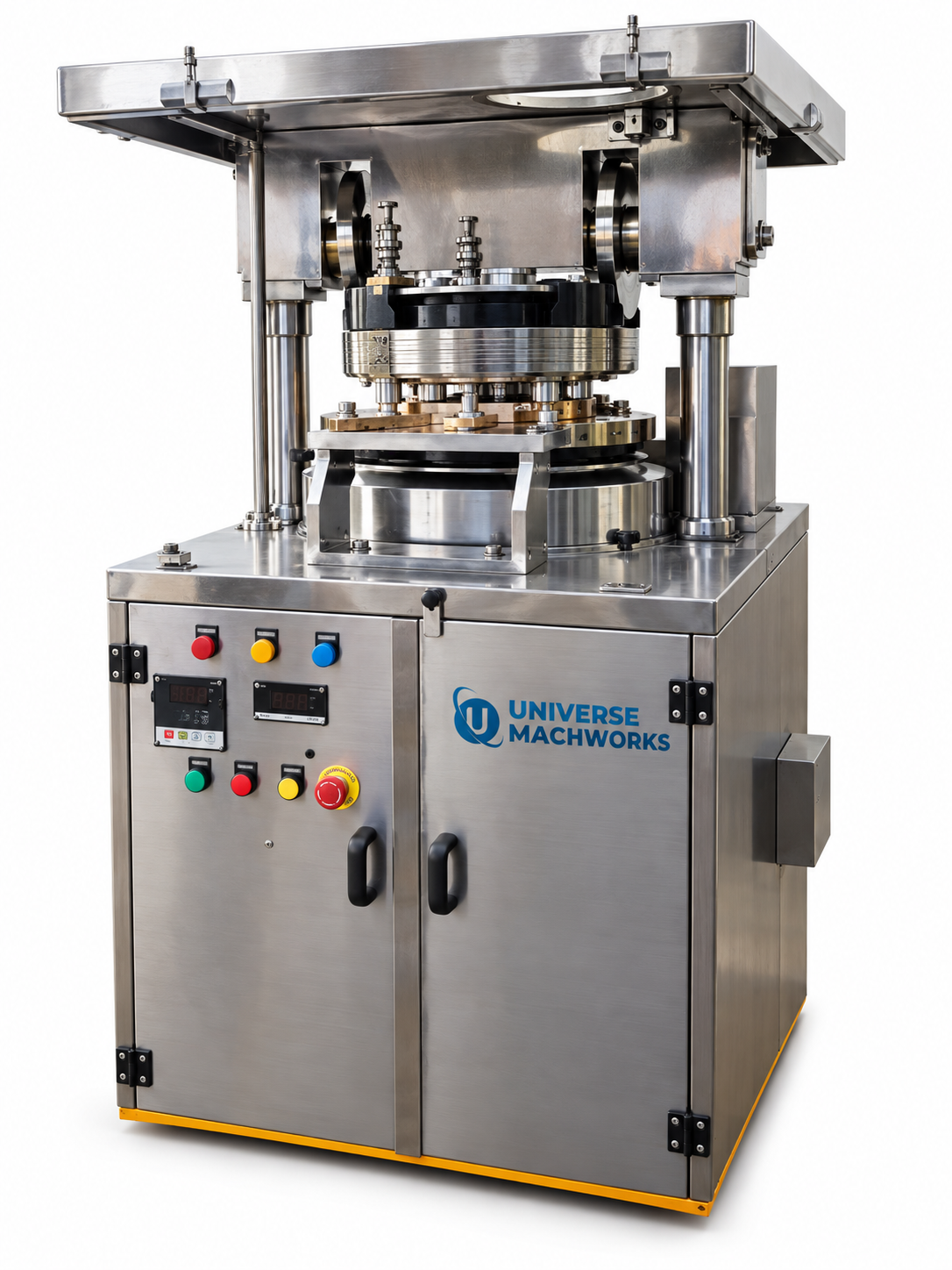
Tablet Compression Machine
A used tablet press requires careful technical evaluation. Important areas include:
- Turret
- Punches and dies
- Compression system
- Feeder
- Drive mechanism
- Lubrication
- Electrical controls
- Safety systems
The condition of tooling and critical compression components should be assessed before purchase.
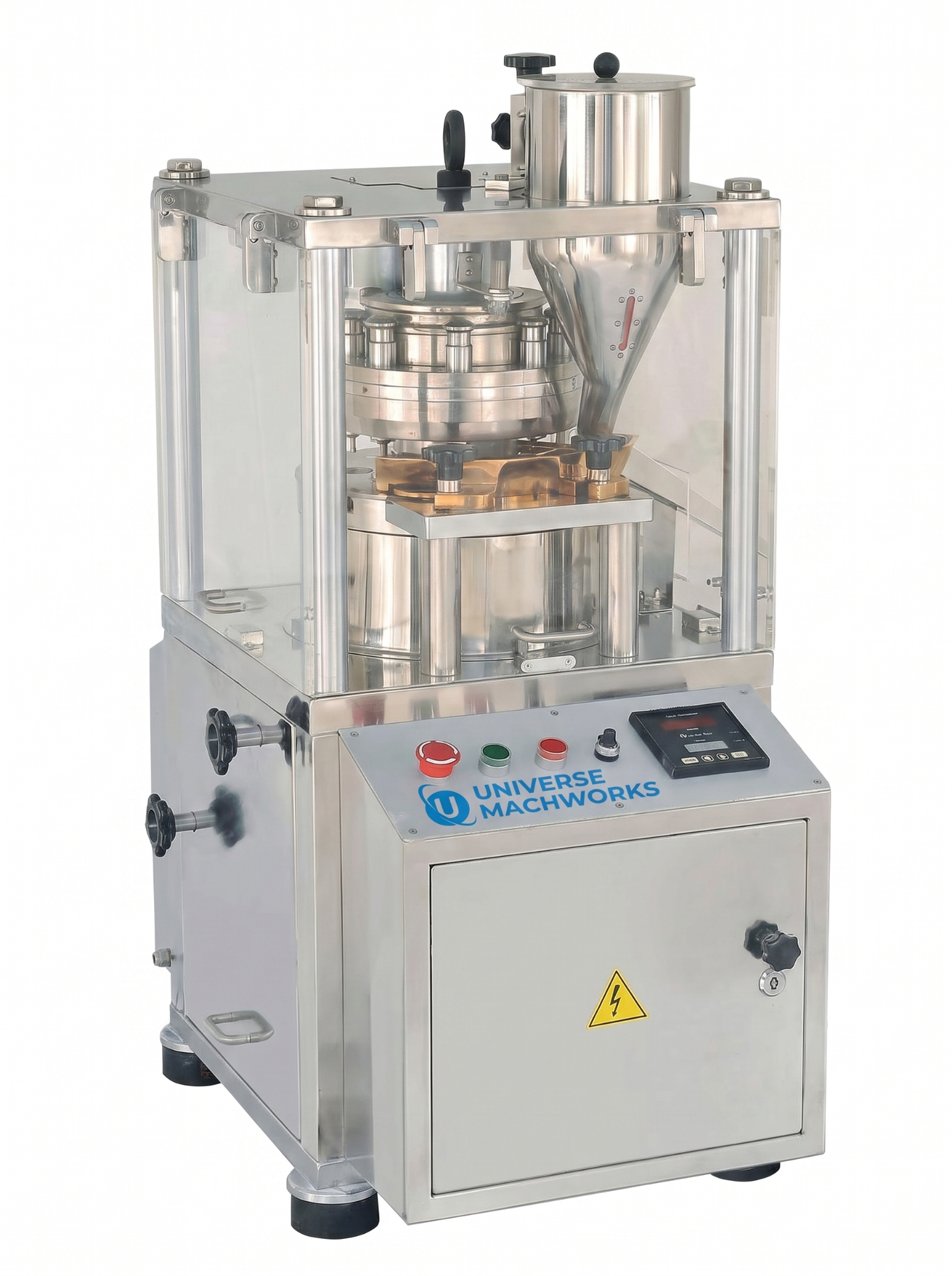
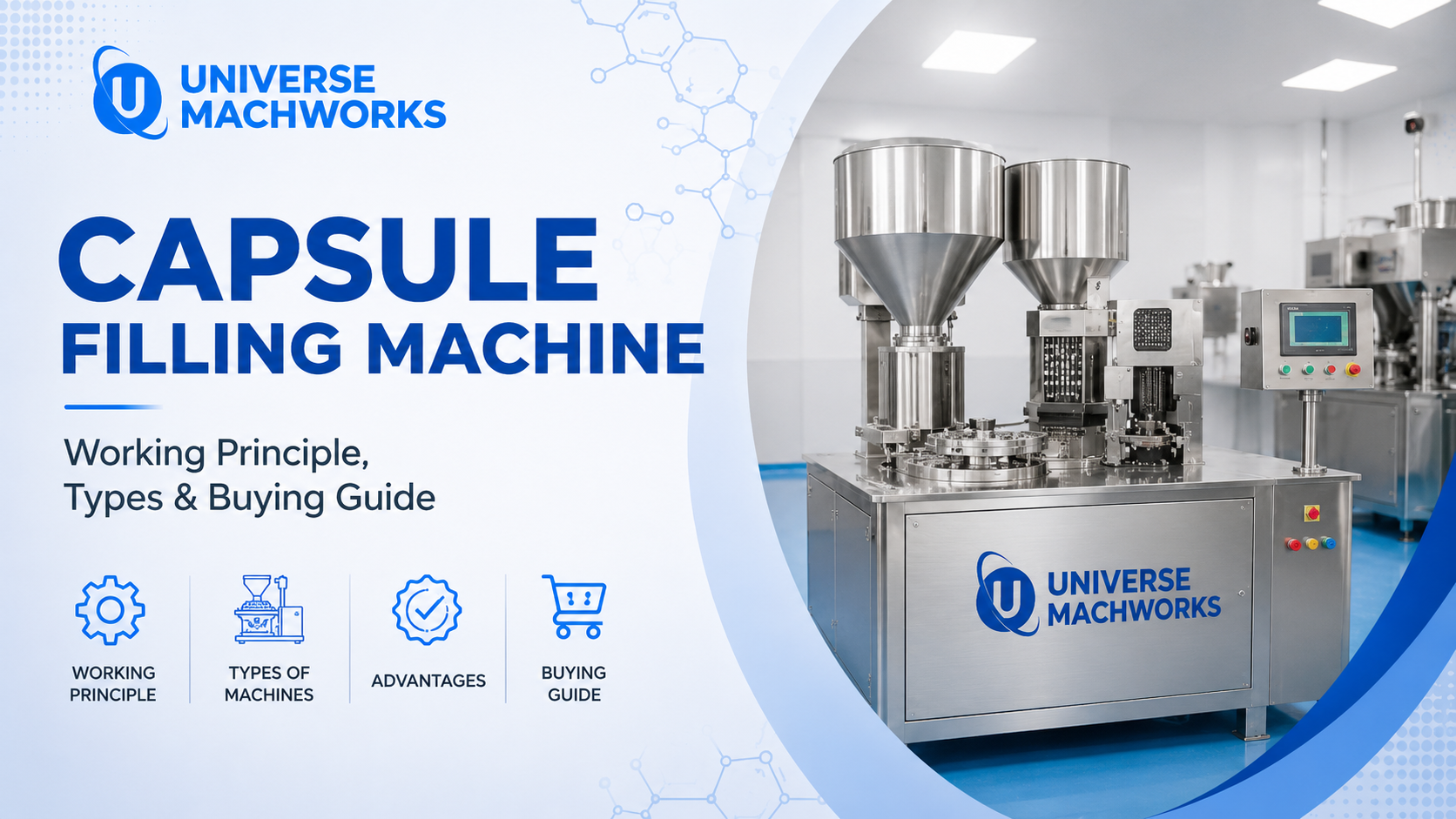
Capsule Filling Machine
When purchasing used capsule filling equipment, check:
- Capsule handling system
- Dosing mechanism
- Filling stations
- Vacuum system
- Electrical controls
- Machine speed
- Product-contact components
- Safety systems
Capacity should be evaluated based on the actual operating condition rather than simply relying on the original manufacturer's rated output.
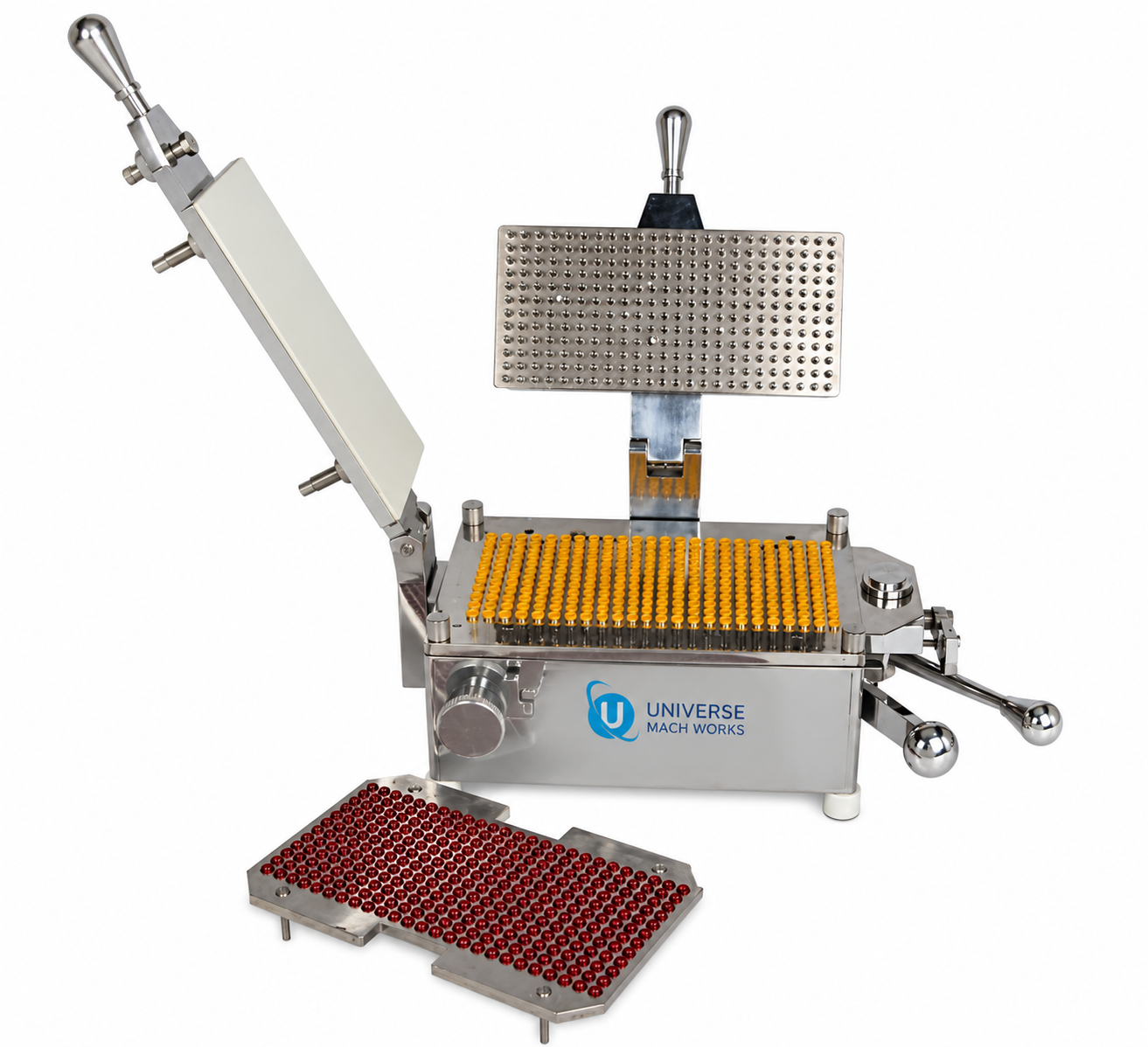
Mixing Tank — Liquid & Process Equipment
Used Mixing Tanks can be useful for pharmaceutical, cosmetic, chemical and food processing applications. Inspect:
- Vessel
- Agitator
- Shaft
- Impeller
- Mechanical seal
- Heating/cooling jacket
- Valves
- Internal finish
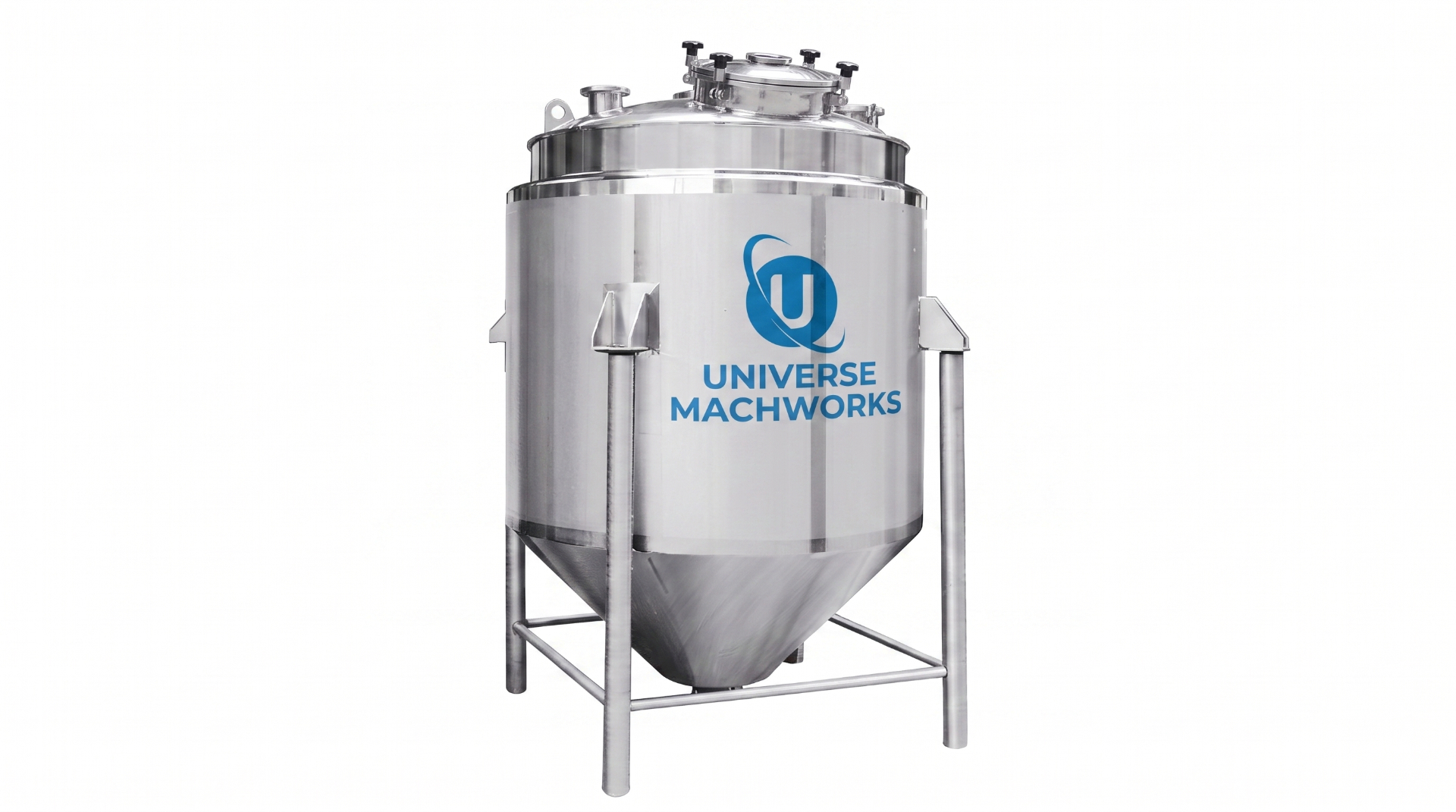
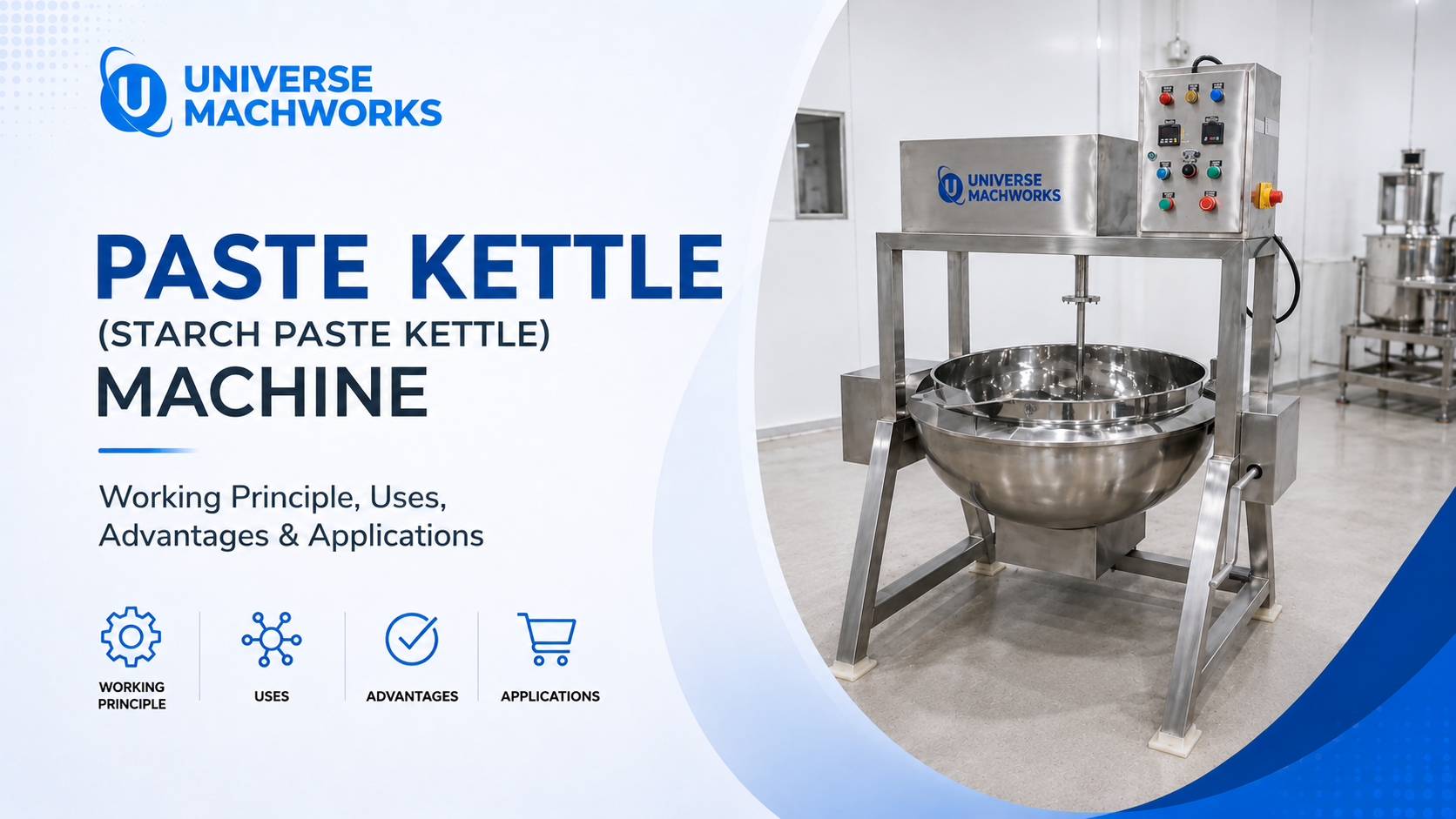
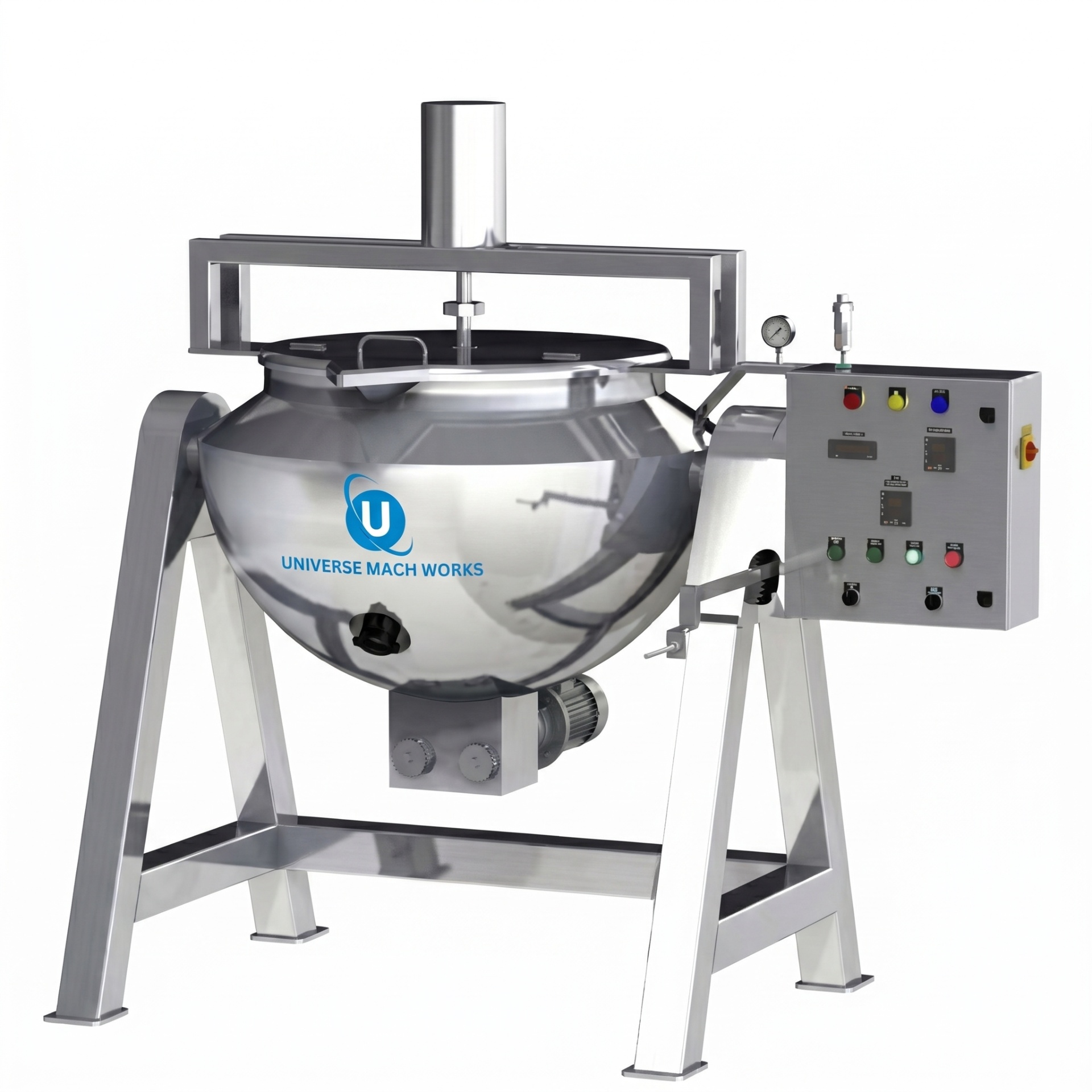
Paste Kettle
A used Paste Kettle may be suitable for heating, mixing and processing applications. Important checks include:
- Vessel
- Jacket
- Agitator
- Motor
- Gearbox
- Temperature controls
- Valves
- Product-contact surfaces
What Should You Check Before Buying Used Pharma Machinery?
1. Machine Identification
Ask for the manufacturer, model, serial number, year of manufacture, capacity and previous application. This establishes the basic identity of the equipment.
2. Machine Condition
Inspect the overall physical condition. Look for:
- Corrosion
- Damaged surfaces
- Cracks
- Weld issues
- Mechanical wear
- Missing components
- Damaged guards
- Deteriorated seals
3. Product-Contact Parts
For pharmaceutical applications, product-contact surfaces deserve special attention. Inspect internal surfaces, welds, crevices, gaskets, seals, valves and discharge areas. The objective is to determine whether the machine is appropriate for the intended product and cleaning process.
4. Material of Construction
Do not assume the material simply because the machine is stainless steel. Depending on the application, buyers may require SS304, SS316 or SS316L. Where material documentation is important, ask what records are available.
5. Mechanical Components
Inspect bearings, shafts, motors, gearboxes, couplings, seals, valves and pneumatic components. If components show significant wear, determine the replacement cost before finalizing the purchase.
6. Electrical & Automation System
Older equipment may have an outdated control system. Check the PLC, HMI, VFD, sensors, control panel, wiring, emergency stop and interlocks. In some cases, upgrading the controls can make an older machine considerably more practical for modern production.
7. Machine Capacity
Capacity is one of the most commonly misunderstood specifications. A machine's original rated capacity does not necessarily mean that it will produce the same output under your actual process conditions. Ask about working capacity, batch capacity, production rate, product characteristics, operating speed and previous application.
Is Used Pharma Machinery Suitable for GMP Manufacturing?
Used equipment should not automatically be considered unsuitable simply because it has previously been operated. The relevant question is whether the equipment is suitable for its intended use and can meet the applicable requirements of the manufacturer's quality system.
FDA guidance explains that manufacturers are responsible for selecting equipment suitable for its intended use and capable of supporting applicable CGMP requirements. FDA also discusses equipment design, cleaning and maintenance considerations.
For a pharmaceutical plant, the evaluation may involve engineering, production, QA, validation, maintenance and regulatory teams as appropriate to the equipment and application. Where qualification is required, the manufacturer's quality system should determine the applicable activities.
Advantages of Buying Used Pharmaceutical Machinery
- Lower capital requirement compared with equivalent new machinery
- Faster procurement when suitable equipment is already available
- Proven, established equipment categories across many pharma processes
- Practical replacement solution for an existing machine
- Capacity expansion without a fully new investment
- Flexible allocation of capital toward the most critical production areas
What Are the Risks of Buying Used Pharma Machinery?
Used machinery is not without risks. The important thing is to identify and manage those risks before purchase.
- Unknown history — limited operating records make evaluation harder
- Component wear — bearings, seals, motors and gearboxes may need servicing
- Older controls — electrical components may be obsolete
- Spare parts — availability may be limited on older machines
- Surface condition — product-contact surfaces may require restoration
- Modification requirements — the configuration may not match the new application
These risks are why technical inspection and proper supplier evaluation are important.
How to Buy Used Pharmaceutical Machinery Safely
Step 1: Define Your Requirement
Before looking for equipment, establish the machine type, capacity, application, product, material of construction, automation, utilities and installation requirements.
Step 2: Request Machine Information
Ask the supplier for machine photographs, technical specifications, manufacturer, model, year, capacity, condition and available documentation.
Step 3: Understand the Condition
Ask directly: is the machine being sold as-is, serviced or refurbished? This simple question can prevent confusion later.
Step 4: Inspect Critical Components
Don't judge the machine solely by its exterior appearance. Inspect the components that directly affect performance and reliability.
Step 5: Check Spare Parts
Before purchasing older equipment, determine whether important components are still available.
Step 6: Discuss Testing
Where practical, agree on an appropriate inspection or trial run before acceptance.
Used vs Refurbished vs New Pharmaceutical Machinery
| Factor | Used | Refurbished | New |
|---|---|---|---|
| Initial investment | Potentially lowest | Potentially lower than new | Generally highest |
| Previous operation | Yes | Yes | No |
| Restoration | Not necessarily | Defined scope | New components |
| Customization | Limited | Moderate | Highest |
| Availability | Potentially quick | Potentially quick | Depends on manufacturing |
| Condition | Must be evaluated | Should be documented | New |
| Controls | May be older | Can be upgraded | Can be specified |
| Documentation | Varies | Varies by scope | Can be specified |
| Best suited for | Cost-conscious buyers | Buyers wanting restored equipment | New / critical projects |
How Much Does Used Pharma Machinery Cost?
There is no single price for used pharmaceutical machinery. The value depends on several factors:
- Machine type
- Manufacturer
- Age
- Capacity
- Material of construction
- Machine condition
- Previous application
- Automation
- Accessories
- Documentation
- Availability
- Refurbishment requirements
For example, two Vibro Sifters with similar capacities may have significantly different values because of their condition, construction, controls and included accessories. Therefore, buyers should avoid selecting equipment solely based on the lowest quotation.
How to Compare the True Cost
A useful approach is to calculate: Total Investment = Purchase Price + Transportation + Installation + Repairs + Modifications + Testing + Spare Parts.
A low-cost machine may require significant work after purchase. A slightly more expensive machine in better condition may ultimately provide better value.
Used Pharma Machinery Buying Checklist
Before purchasing, confirm:
- Machine manufacturer and model
- Year of manufacture
- Machine capacity
- Previous application
- Overall condition
- Product-contact material
- Internal surface condition
- Mechanical components
- Electrical controls
- Spare-part availability
- Documentation
- Required modifications
- Testing requirements
- Installation requirements
- Warranty / support terms
Why Buy Used Pharma Machinery from Universe Mach Works?
Universe Mach Works provides pharmaceutical and process machinery solutions for manufacturers looking for equipment suited to their production requirements.
Our machinery portfolio covers equipment used in areas such as powder processing, blending, granulation, drying, size reduction, tablet manufacturing, capsule manufacturing and liquid processing.
For customers considering used machinery, the focus should be on finding equipment that matches the required machine type, capacity, construction and application. Where required, equipment can also be evaluated for servicing, refurbishment or suitable modifications depending on the machine and project requirements.
This allows manufacturers to consider different equipment options instead of limiting procurement to completely new machinery.
Explore related equipment
Who Can Benefit from Used Pharmaceutical Machinery?
- Pharmaceutical manufacturers — for capacity expansion or replacement equipment
- Contract manufacturing units — for adding equipment based on project requirements
- Start-up manufacturing companies — for controlling initial capital investment
- Nutraceutical manufacturers — for powder, blending and processing applications
- Cosmetic manufacturers — for mixing, blending and liquid processing equipment
- Food processing companies — for compatible processing applications
- Chemical industries — where the machine specification matches the application
Explore the Product
Complete Pharma Machinery Range by Universe Mach Works
View technical specifications, applications and request a customized quote.
View Complete Pharma Machinery RangeFrequently Asked Questions
Is used pharmaceutical machinery worth buying?+
It can be, particularly when the machine is in suitable condition, matches the required process and is priced appropriately.
Is used pharma machinery cheaper than new machinery?+
Generally, used equipment can have a lower initial purchase cost, although the actual difference depends on the machine, condition and specifications.
What is the difference between used and refurbished pharma machinery?+
Used machinery refers to previously operated equipment. Refurbished machinery has undergone a defined scope of servicing, restoration or upgrading.
Can used machinery be used in a pharmaceutical plant?+
Potentially, depending on the equipment's design, condition, intended use, cleaning requirements, documentation and applicable quality requirements.
What used pharma machines are commonly available?+
Availability varies, but categories can include Vibro Sifters, Blenders, RMGs, Fluid Bed Dryers, Tray Dryers, Multi Mills, Tablet Presses, Capsule Filling Machines, Mixing Tanks and Paste Kettles.
Should I inspect used machinery before buying?+
Yes. A technical inspection is highly advisable for significant equipment purchases.
Can used pharmaceutical machinery be modified?+
Depending on the machine, modifications may be possible. These should be technically evaluated before purchase.
Can used machinery have a new PLC?+
Some machines can be upgraded with modern PLC/HMI systems, depending on their design and electrical configuration.
Is old pharmaceutical machinery always unreliable?+
No. Age alone does not determine reliability. Condition, maintenance, design, operating history and component condition are important factors.
How do I know if a used machine is in good condition?+
Review its history, inspect critical components, examine product-contact surfaces and, where appropriate, conduct testing before acceptance.
What material should pharmaceutical machinery be made from?+
Material requirements depend on the application. SS304, SS316 and SS316L are among the materials commonly considered for pharmaceutical equipment.
Does Universe Mach Works sell used pharma machinery?+
Universe Mach Works can provide used pharmaceutical and process machinery solutions depending on current equipment availability and customer requirements.
Can used equipment be refurbished?+
Yes, suitable existing equipment can potentially undergo refurbishment depending on its condition and the required scope of work.
Is used machinery suitable for small pharmaceutical companies?+
It can be a practical option for manufacturers seeking to manage capital expenditure, provided the machine is technically suitable.
Should I choose used or new pharmaceutical machinery?+
The decision depends on budget, process criticality, required capacity, machine condition, customization requirements and long-term operating plans.
Conclusion
Used pharmaceutical machinery can be a practical and economical equipment option for manufacturers when selected carefully. The key is to look beyond the word "used."
A machine's value depends on its condition, history, construction, capacity, components, application and overall suitability. For some production requirements, buying new machinery will be the best option. For others, a good-quality used machine can provide the required functionality while helping control the initial investment.
The best approach is to evaluate each machine individually. Check its condition. Understand its history. Verify its specifications. Inspect critical components. Consider spare parts and maintenance. Calculate the complete investment — not just the purchase price.
And most importantly, work with a machinery supplier that is transparent about the equipment's condition and specifications.
Looking for used or refurbished pharma machinery? Universe Mach Works can help you explore suitable pharmaceutical and process machinery based on your machine requirement, capacity and application. Contact us for available used and refurbished pharmaceutical machinery.